
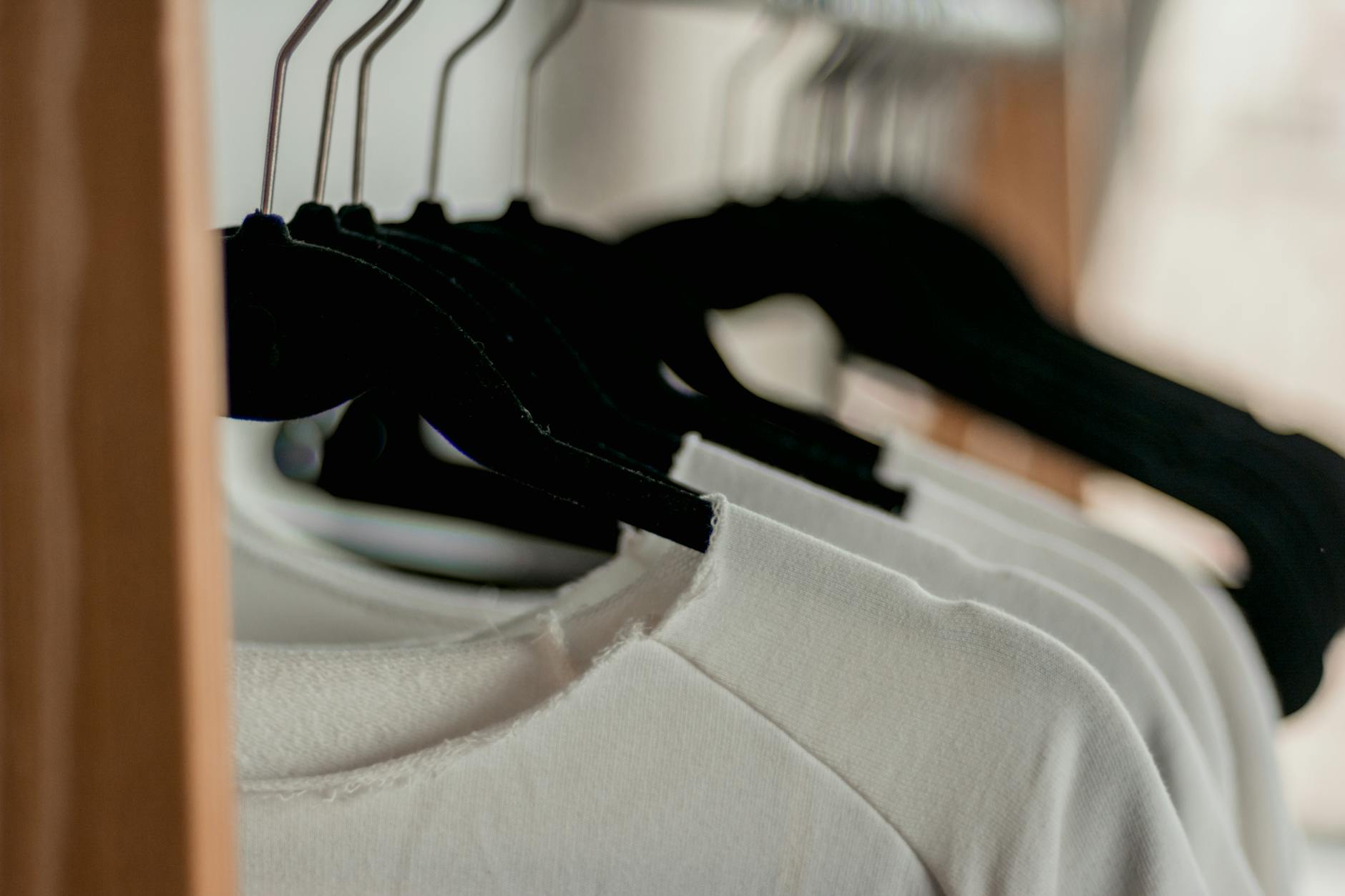
Launching a clothing brand in 2026 requires discipline, clarity, and strong product fundamentals.
The market is crowded, customer attention is limited, and manufacturing costs remain unpredictable.
Brands that survive will not chase complexity but will design for efficiency.
Product success in 2026 depends on simplicity, repeatability, and strong perceived value.
Most new brands fail because product decisions are emotionally driven, not commercially structured.
Overdesigned garments increase costs, delays, rejections, and inventory risks.
Smart brands focus on proven fabrics and enhance them through techniques.
This approach protects margins while allowing clear differentiation in competitive markets.
Below are five product strategies every clothing brand should consider launching in 2026.
1. Simple Fabric Basics That Enable Faster Scaling
Fabric choice determines production stability, cost predictability, and long-term scalability.
In 2026, simple fabrics will continue outperforming complex experimental materials.

Cotton single jersey, cotton blends, and basic fleece remain industry workhorses.
Simple fabrics reduce yarn inconsistencies, knitting issues, and dyeing-related defects.
They allow manufacturers to maintain consistent quality across repeated production cycles.
Sampling timelines reduce significantly when fabrics are stable and well-understood.
For new brands, simple fabrics protect cash flow and reduce operational surprises.
They also allow easier supplier changes when scaling volumes internationally.
A stable fabric base ensures your brand grows without constant technical firefighting.
Simplicity at fabric level creates flexibility everywhere else in the business.
2. Distressed T-Shirts for Cost-Efficient Visual Differentiation
Distressing is one of the most effective low-cost differentiation techniques available today.
It transforms basic garments into fashion-forward products without fabric upgrades.
Light distressing adds character, texture, and intentional imperfection to garments.
Necklines, hems, seams, and panels can be selectively distressed.
This creates a worn-in, authentic look customers associate with premium streetwear.

Importantly, the base fabric remains unchanged, keeping costs tightly controlled.
In 2026, customers value individuality more than fabric technicalities.
Distressed T-shirts photograph well and stand out in crowded digital marketplaces.
They also align strongly with youth, streetwear, and casual lifestyle positioning.
Distressing delivers strong perceived value without operational complexity.
3. Raglan Tees That Differentiate Through Fit and Construction
Raglan T-shirts offer differentiation through construction rather than material complexity.

The diagonal sleeve design improves comfort, movement, and fit balance.
Visually, raglan tees break the monotony of standard round-neck silhouettes.
From a branding perspective, raglan styles appear more intentional and engineered.
They provide instant visual distinction across product pages and social media creatives.
This helps brands communicate value without heavy storytelling or explanation.
Production-wise, raglan tees remain cost-effective when patterns are optimized properly.
They work exceptionally well with simple cotton and cotton-blend fabrics.
In 2026, fit-driven basics will outperform overly trend-led designs.
Raglan tees combine functionality, aesthetics, and scalability in one product.
4. Washed Finishes That Upgrade Appearance Without Changing Fabrics

Wash processes are powerful tools for increasing perceived value affordably.
They transform garment appearance while keeping fabric selection unchanged.
In 2026, washed finishes will remain core to premium casualwear categories.
Acid Wash
Acid wash creates high-contrast, uneven textures with strong visual impact.
It delivers a bold, street-led aesthetic using standard cotton fabrics.
Acid-washed garments stand out instantly in online and offline retail environments.
This finish works especially well for oversized and relaxed silhouettes.
It allows brands to command higher prices without increasing base material costs.
Lava Wash
Lava wash produces a softer, organic fade with balanced visual depth.
It offers a rugged yet wearable appearance suitable for daily lifestyle wear.
Lava wash appeals to customers seeking character without extreme contrast.
This technique works across multiple colorways and garment categories.
It scales well when wash parameters are controlled consistently.
Vintage Wash
Vintage wash delivers a subtle, lived-in look associated with authenticity.
It enhances fabric hand-feel and improves overall garment visual richness.
Vintage-washed products photograph exceptionally well for e-commerce platforms.
This finish supports premium positioning while using basic production inputs.
In 2026, timeless aesthetics will outperform short-lived fashion gimmicks.
5. Raw Edging Techniques for Modern, Street-Ready Identity
Raw edging is a construction technique with strong design impact.
It involves leaving hems, sleeves, or necklines intentionally unfinished.
This creates a bold, contemporary look without additional trims or materials.

Raw edging works exceptionally well in streetwear and oversized silhouettes.
It adds attitude and uniqueness while keeping production processes minimal.
Because no extra components are added, costs remain tightly controlled.
In 2026, consumers increasingly appreciate intentional imperfection in design.
Raw edges signal authenticity, confidence, and non-mass-market positioning.
This technique pairs well with distressing and washed finishes.
Raw edging allows brands to stand out using design intelligence, not expense.
Final Thoughts: The 2026 Apparel Brand Success Formula
Success in 2026 will come from disciplined product decision-making.
Brands must design products that balance aesthetics, cost, and scalability.
Complexity should never be introduced without clear commercial justification.
Simple fabrics form the backbone of scalable apparel businesses.
Techniques like distressing, raglan construction, raw edging, and washes add value.
These strategies increase perceived quality without destabilizing production economics.
Volume-driven, repeatable products create healthier inventory cycles and cash flow.
They allow brands to focus energy on marketing, distribution, and brand building.
The smartest brands will win by designing efficiently, not extravagantly.
In 2026, simplicity executed intelligently will always outperform unnecessary complexity.


Leave a Reply